

The hospitality industry has changed dramatically over the past decade as consumer expectations have evolved beyond traditional food and drink experiences. Guests no longer view a night out as a sequence of separate destinations. Instead, they increasingly look for venues that offer multiple layers of entertainment within a single environment. Convenience, variety, and engagement have become major drivers of decision making, particularly among groups seeking experiences that feel memorable and social rather than purely transactional.
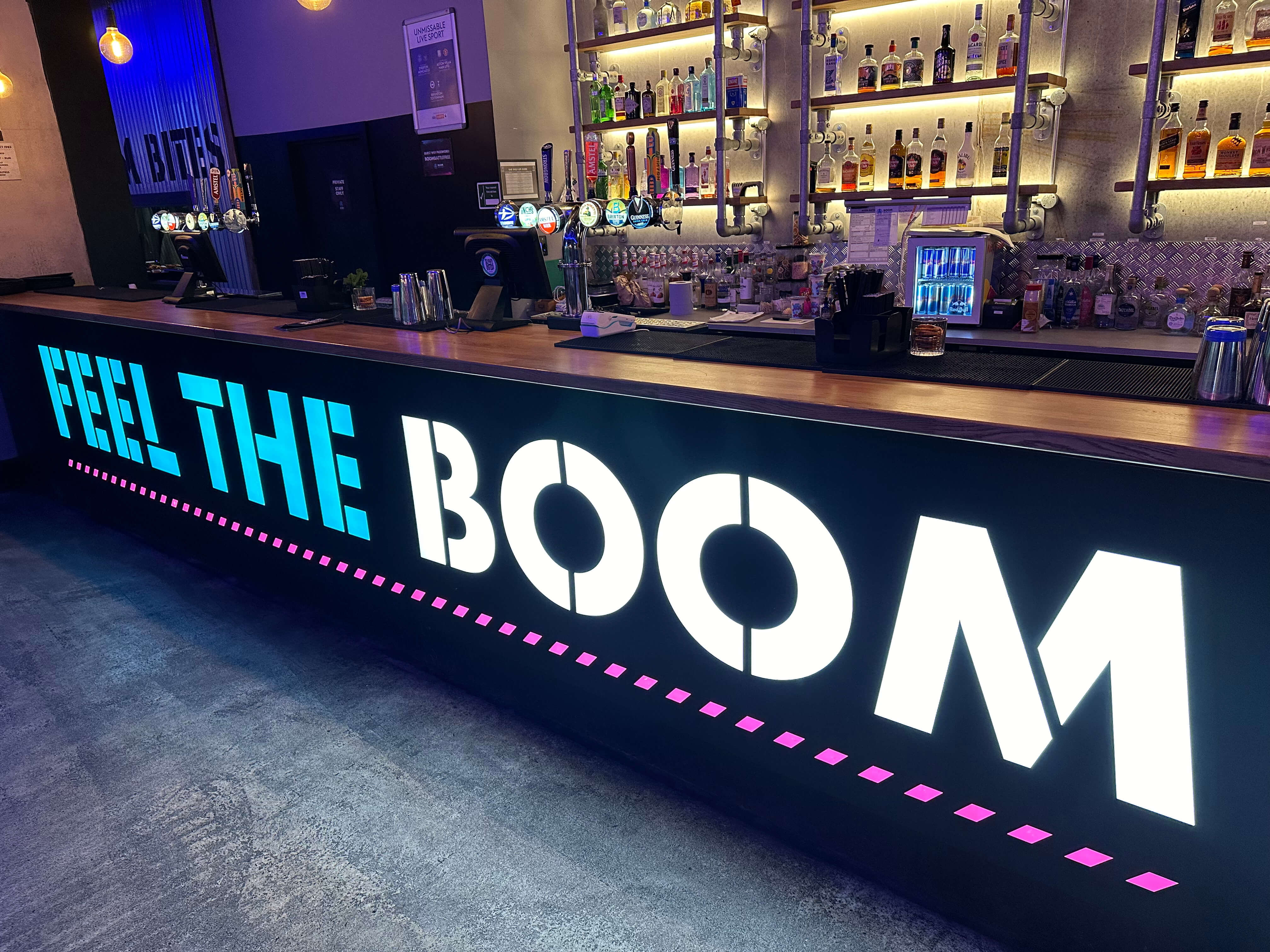
This shift has fuelled the rapid growth of competitive socialising, a category built around interactive activities that encourage participation rather than passive consumption. Within this space, Boom Battle Bar has established a strong position by creating an environment where games, food, drinks, and entertainment operate together as part of a unified customer journey. Rather than focusing on one headline attraction, the venue offers multiple experiences designed to keep guests engaged throughout the evening.
The commercial logic behind the Boom Battle Bar karaoke model is straightforward. Traditional venues often struggle with what might be called single-activity limitations. Once guests complete the primary reason for visiting, they frequently leave and continue their evening elsewhere. Competitive socialising venues remove this friction by creating multiple reasons to stay. Activities blend naturally into one another, encouraging customers to extend their visit and spend more time onsite.
This approach has also increased interest in flexible karaoke venue solutions that can operate alongside existing entertainment offerings. By introducing complementary attractions that appeal to different personalities and group dynamics, operators can create a broader experience without fundamentally changing their venue identity. The result is a more versatile environment capable of attracting larger groups and encouraging longer stays.
One of the most successful aspects of this strategy is the integration of social activities that naturally break down barriers between guests. While competitive games generate excitement and energy, vocal entertainment creates opportunities for participation that feel more personal and inclusive. This balance helps maintain momentum throughout the evening while ensuring the experience appeals to a wide range of customers.
Creating a successful multi-activity venue requires far more than simply placing different attractions under one roof. The most effective operators pay close attention to how guests move through the space and how individual experiences connect with one another throughout the evening.
Venue layout plays a critical role in this process. Guests should be able to transition naturally between activities without feeling disconnected from the overall atmosphere. High energy attractions need to coexist alongside more relaxed areas without creating operational conflicts or negatively affecting the customer experience.
This requires careful planning around traffic flow, sound management, lighting design, and visual separation between activity zones. Well-designed venues guide customers intuitively from one experience to the next while maintaining a consistent sense of energy throughout the space.
Different groups often interact with the venue in very different ways. Corporate teams may begin with structured activities before moving into more relaxed social environments. Birthday celebrations might prioritise food and drinks before transitioning into entertainment later in the evening. By creating multiple pathways through the venue, operators allow guests to customise their experience while still remaining engaged for longer periods.
Strategically positioned entertainment zones help maintain this balance. Different attractions serve different emotional functions within the customer journey, creating variety without disrupting the overall flow of the evening.
Among the various attractions available to entertainment operators today, private room singing experiences have become particularly valuable because they appeal to such a broad range of customer groups. Unlike highly specialised activities that attract specific demographics, singing tends to resonate across different age groups, social circles, and event types.
The communal nature of karaoke makes it especially effective for celebrations, team building events, and social gatherings. Groups are encouraged to participate together rather than observe from the sidelines, creating stronger emotional engagement and more memorable experiences overall.
Private room environments enhance this appeal even further. Guests gain control over their own atmosphere, music selection, and group dynamic without the pressure associated with performing in front of an entire venue. This added privacy often encourages greater participation while creating a more personalised experience.
The inclusion of these spaces demonstrates how modern karaoke venue solutions can complement broader entertainment offerings rather than operating as standalone attractions. Singing experiences fit naturally alongside activities such as shuffleboard, darts, and gaming because they serve a different social purpose while maintaining the same energy level.
From an operational perspective, private room entertainment also creates strong booking opportunities. Many groups reserve these experiences in advance, providing venues with predictable occupancy and revenue streams. Advance reservations improve planning while helping operators manage capacity more effectively during peak periods.
The highly social nature of karaoke also encourages food and beverage spending. Guests typically remain within the room for extended periods, creating additional opportunities for premium drink packages, table service, and group catering options.
One of the most important metrics in hospitality is dwell time. The longer guests remain engaged within a venue, the greater the opportunity for additional spending and deeper customer engagement.
The success of Boom Battle Bar karaoke illustrates how layered entertainment experiences contribute directly to this objective. Instead of completing a single activity and leaving, customers can move between different forms of entertainment throughout the evening without needing to change locations.
This creates a more dynamic experience that feels less predictable than traditional hospitality formats. Guests can participate in competitive games, enjoy drinks, move into a private singing space, and continue socialising without interruption. Each activity extends the overall customer journey while reinforcing the venue's identity as a complete entertainment destination.
The perception of value increases significantly when customers feel they have access to multiple experiences within a single visit. Rather than comparing the cost of one activity in isolation, guests evaluate the evening as a complete package. This broader value perception contributes to stronger satisfaction levels and encourages repeat visits.
Social sharing further amplifies this effect. Experiences that combine multiple entertainment elements often generate more user created content, increasing visibility across social media platforms and strengthening word-of-mouth marketing.
As competitive socialising continues to expand, operators face increasing pressure to introduce new experiences without dramatically increasing costs or requiring major structural renovations. Large standalone attractions often demand significant investment and extensive floor space, making them difficult to justify in many urban locations.
This has created growing demand for entertainment solutions that integrate easily into existing environments. Operators want attractions capable of generating immediate commercial value without disrupting established operations or requiring extensive redevelopment projects.
Flexible entertainment formats address this challenge effectively because they can be incorporated into underutilised areas, private rooms, or unused sections of the venue. Rather than expanding the footprint of the business, operators maximise the value of existing space.
Scalable integration also provides greater adaptability as customer preferences continue evolving. Venues can refresh their entertainment mix more easily while maintaining flexibility to respond to changing trends and market conditions.
The most successful operators recognise that modern guests increasingly expect variety, interaction, and customisation. Entertainment concepts that support these expectations while fitting seamlessly within existing operations create significant commercial advantages.
Our karaoke pods create an additional revenue stream, as well as increase dwell time, for existing venues. Add instant karaoke in any space! Contact us now for more information.
