

Most events are enjoyable at the moment, but forgettable by the next week. Guests attend, smile politely, and move on. That is not a failure of effort. It is simply how the human brain works. People do not remember schedules, seating charts, or even the menu. They remember feelings, surprises, and moments that stood out.
Event planners today have a new challenge. It is not just about organising. It is about designing something worth remembering. Whether you are planning a wedding, a brand launch, a corporate party, or a private celebration, the goal is the same. Create an experience that stays with people long after the lights go down.
This is where an intentional event experience strategy becomes essential. It helps planners think beyond logistics and focus on memory-first moments, including interactive features like popup karaoke pods from SingPods.
When you plan with recall in mind, you stop asking, “What should we include?” and start asking, “What will people talk about tomorrow?” That shift changes everything.
The truth is simple. Most events follow familiar patterns. Guests arrive, mingle, eat, listen, and leave. Nothing is wrong with that structure, but it rarely creates a lasting impression.
Memory is triggered by emotion and participation. If guests feel like observers, they forget. If they feel involved, they remember. That is why modern event planning is moving away from passive entertainment and towards interactive moments.
Think about the events you remember most. Chances are, something unexpected happened. You laughed. You joined in. You felt connected. Those are the building blocks of recall.
A strong event is not a list of activities. It is a series of moments. The best planners design peaks, not timelines. A useful way to think about this is to plan your event like a film, not a checklist. Every great film has a few key scenes that people remember most. Events work the same way. Guests will not recall every detail, but they will recall the moments that felt meaningful or exciting. When you design around those high points, the entire experience becomes more intentional.
Planners who focus on moments also make better decisions about what to leave out. Not every event needs more activities. It needs better ones. A single well-designed interaction can create more impact than five forgettable extras.
An event experience strategy starts by choosing one or two highlight experiences. These should be the moments that define the event. Everything else supports them. This could be a shared performance, an interactive installation, or a surprise activity that pulls people together. The goal is to create a memory anchor. Something guests can describe in one sentence.
For example, instead of hiring background entertainment that people barely notice, planners can introduce something guests actively participate in, like a SingPods karaoke pod experience.
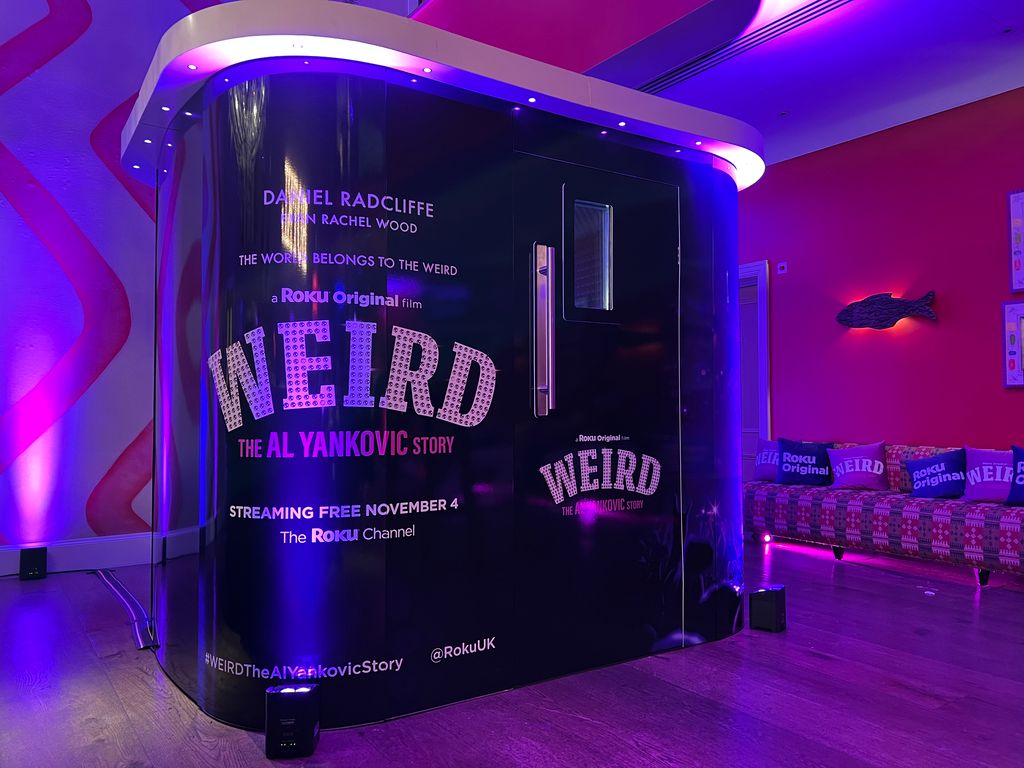
Popup karaoke pods are a perfect example of memory-first thinking. They are unexpected, modern, and instantly engaging. Guests do not just watch. They step inside, choose a song, and become part of the event story. Even those who do not sing will gather around, laugh, cheer, and record moments on their phones.
SingPods takes karaoke out of the bar and into the event world. The pods are private, stylish, and easy to set up. They create a space where guests can relax and enjoy themselves without feeling exposed.
That combination of privacy and fun makes the experience accessible. It also makes it memorable. When guests leave an event with a shared karaoke moment, they leave with a story, not just an impression.
In today’s world, recall is closely tied to shareability. People remember what they photograph, post, and talk about. Modern guests also expect experiences that feel fresh, not recycled. That does not mean you need something complicated. It means you need something that feels different from the standard format. Interactive entertainment like popup karaoke pods works so well because it creates instant energy without forcing anyone into awkward group games or staged participation.
These moments also help guests connect with each other naturally. When people sing together, laugh together, or cheer someone on, they bond quickly. That social spark becomes part of what they remember most, and it is exactly what separates a good event from one people truly recall.
Memory-first planners think about atmosphere as much as activity. Lighting, sound, and interactive zones all contribute to how guests feel. Adding something like a karaoke pod creates a natural social hub. People gather, take turns, and connect. It breaks the usual event routine and gives guests permission to be playful. This is especially valuable at corporate events, where guests may feel hesitant at first. Karaoke pods create a low-pressure way to loosen up. They also fit seamlessly into modern event aesthetics, offering something more exciting than standard entertainment options.
The most successful events are not the biggest or most expensive. They are the ones that feel personal, engaging, and different. That is why memorable event planning is now about designing emotional peaks, not filling time slots.
Planners who adopt memorable event planning create experiences guests recall for years. They understand that people remember participation, laughter, and shared moments more than formal programming.
Popup services like SingPods help bring that mindset to life. They offer an alternative to common event entertainment and give guests something truly interactive. The ultimate karaoke pod! Contact us now for more information.
