

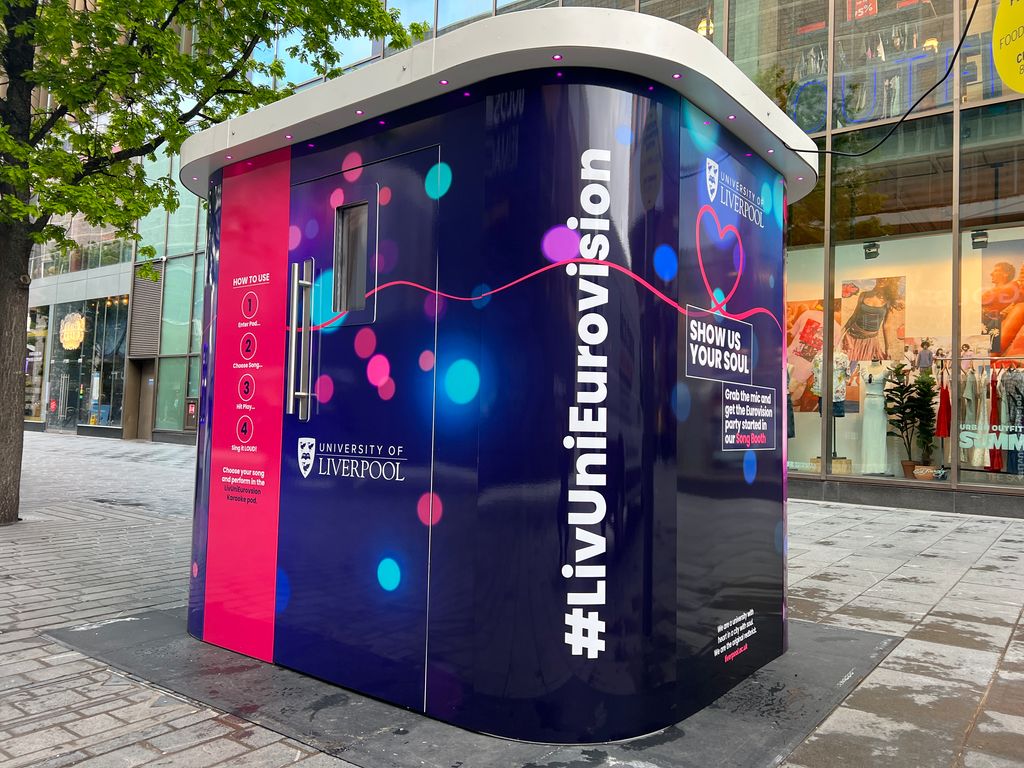
Karaoke should be simple. Guests walk in, choose a song, pick up a microphone, and start singing. Yet traditional karaoke systems can make that simple experience surprisingly complicated.
Venue teams may need to explain controls, troubleshoot microphones, adjust audio settings, reset software, or help guests navigate confusing song libraries. Individually, these issues seem minor. Across dozens of bookings every week, however, they create repeated interruptions for staff and unnecessary frustration for customers.
For busy hospitality venues, that friction matters. Entertainment should increase dwell time, encourage additional spending, and give guests another reason to return. It should not pull employees away from the bar or service floor whenever someone wants to change a setting.
SingPods approaches karaoke from this perspective. Instead of adding features for the sake of complexity, the focus is on removing the small frustrations traditionally associated with the experience.
Modern commercial karaoke platforms can bring the hardware, software, acoustics, and user controls together within one purposefully built environment. The technology remains largely invisible, allowing guests to focus on singing while venue teams focus on hospitality.
Many problems with traditional karaoke begin with equipment that was never designed for continuous public use. External amplifiers, exposed cables, accessible controls, and separate audio components all create opportunities for something to be adjusted or disconnected. A guest trying to increase the microphone volume can accidentally change another setting. Someone moving equipment may disconnect a cable. Suddenly, the room stops working as expected.
The customer then needs help. A member of staff must leave another responsibility, identify the problem, and restore the system. During busy periods, even a short interruption can affect service elsewhere in the venue.
Software can create similar frustrations. Complicated menus and poorly organised song libraries slow down the experience before anyone starts singing. Guests should not need a tutorial simply to find a track and add it to their queue.
Microphones introduce another common issue. Equipment that has not been charged correctly can fail midway through a session. Poorly balanced audio can leave backing tracks too loud or vocals difficult to hear.
Each of these issues adds another point of friction. The solution is not simply better individual components. It is designing the entire experience so customers have fewer opportunities to encounter problems in the first place.
Good user experience begins with making the next action obvious. SingPods uses an intuitive touchscreen interface that allows guests to find music quickly and control their session without needing assistance from venue staff. Song selection, queues, and essential controls remain accessible without exposing unnecessary technical settings.
The principle is straightforward. Customers should only see the controls they actually need. Behind that simple interface sits the more complex technology required to deliver the experience. Audio processing equipment, amplifiers, cabling, and other components remain integrated and protected. Guests are not presented with a collection of switches and technical controls that can accidentally affect the system. This helps maintain consistency between sessions.
Software can also remain dedicated to the karaoke experience rather than allowing users to access background settings or unrelated applications. If a system restarts, it can return to the intended customer interface without requiring venue employees to complete complicated setup procedures. The result is a system that feels simple because the complexity has been designed out of the customer experience.
Removing friction for customers is only half of the equation. The experience also needs to work efficiently for the people running the venue. Traditional karaoke can require staff involvement at several points. Employees may need to check customers in, explain equipment, start sessions, resolve technical questions, and monitor booking times. Automation reduces these repeated tasks.
Through automated karaoke operations, venues can create a much more independent customer journey. Booking systems and session controls can work together so guests arrive, access their booking, and begin using the system with minimal staff assistance.
Clear session timing also helps groups understand how long they have remaining. This supports smoother turnover between bookings without requiring staff to repeatedly remind customers when sessions are ending.
Remote support provides another important layer. If an issue does occur, venue teams should not need to become karaoke technicians. Connected systems allow technical support to investigate many problems remotely, reducing the need for onsite intervention and helping minimise downtime.
For operators managing multiple venues, this becomes particularly valuable. Consistent systems can provide a similar experience across locations without requiring every individual site to develop specialist technical knowledge.
Traditional karaoke rooms can also create challenges before the technology is installed. Converting an existing room may require acoustic treatment, cabling, construction work, and changes to the venue layout. This can make adding karaoke expensive and disruptive, particularly when operators cannot afford extended downtime.
SingPods provides a self contained alternative. The acoustically treated structure brings the essential elements of the karaoke environment together within a dedicated footprint. This allows operators to introduce karaoke into suitable existing spaces without building an entire room around the experience.
That flexibility can help venues make better use of areas that are currently underperforming. Instead of allocating valuable floor space to an entertainment concept that requires constant staffing, operators can create an additional revenue opportunity designed to function independently. Once installed, the experience remains contained within the SingPods environment. Guests enter, select their music, and enjoy their session while normal venue operations continue around them.
Removing friction is not only about making the first session easy. Commercial karaoke platforms need to remain dependable after hundreds or thousands of customers have used it. Hardware must withstand regular use, software needs to remain stable, and the overall experience should feel consistent regardless of when a customer visits. This is where purposefully built commercial systems differ from equipment assembled from consumer components.
Every part of the experience can be considered part of a single operational system. Touchscreens, microphones, software, acoustics, and remote support work together rather than operating as disconnected elements. For customers, that means fewer interruptions between choosing a song and enjoying the experience. For venue operators, it means fewer demands on staff and less time spent managing entertainment technology.
That simplicity has a direct commercial benefit. When an experience is easy to use, guests can spend more of their booking actually enjoying it. When staff are not constantly troubleshooting equipment, they can remain focused on food, drinks, and customer service.
Automated karaoke operations remove every point of friction and ultimately make karaoke easier for everyone. SingPods brings hardware, software, acoustic design, and support together to create an experience that guests can use independently and venues can operate without unnecessary complexity. Add instant karaoke to your space! Contact SingPods today to discover how a simpler karaoke experience can create an additional revenue stream for your venue.
